

The Poppy Playtime series has steadily evolved from a simple indie horror puzzle game into one of the most compelling narrative-driven experiences in modern gaming. With each new chapter, the developers have expanded the lore, refined gameplay mechanics, and deepened the unsettling atmosphere that fans have come to love. Now, with Poppy Playtime Chapter 5, expectations are higher than ever. Players are not just looking for scares—they want answers, closure, and a satisfying continuation of the twisted story inside the abandoned Playtime Co. factory.
This article explores everything about Poppy Playtime Chapter 5, from its narrative direction and gameplay innovations to its strengths, weaknesses, and overall impact on the franchise. Whether you're a long-time fan or new to the series, this in-depth analysis will give you a comprehensive understanding of what this chapter brings to the table.
The Evolution of the Poppy Playtime Series
The journey of Poppy Playtime began with a relatively simple premise: explore an abandoned toy factory filled with eerie remnants of the past. However, as the chapters progressed, the story expanded into a complex narrative involving unethical experiments, sentient toys, and dark corporate secrets.
Each chapter introduced new mechanics and characters. Chapter 1 gave us Huggy Wuggy, Chapter 2 introduced Mommy Long Legs, and Chapter 3 expanded the horror with deeper lore and psychological tension. By the time Chapter 4 arrived, the stakes were significantly higher, and the narrative became more fragmented and mysterious.
Chapter 5 builds upon this foundation, aiming to tie together loose ends while introducing even more disturbing revelations. It is both a continuation and a culmination, blending past elements with new ideas.
Storyline Overview and Setting
A Return to the Core Mystery
Chapter 5 brings players deeper into the heart of the Playtime Co. facility. The environment feels more oppressive and claustrophobic, reflecting the psychological state of the protagonist. Unlike earlier chapters, which focused on exploration, this installment emphasizes confrontation and revelation.
The story revolves around uncovering the truth behind the experiments conducted on employees and children. Players begin to piece together the identity of key figures and the true purpose of the toys.
Themes and Narrative Depth
The themes explored in Chapter 5 are darker and more mature:
- Ethical boundaries in scientific experimentation
- Loss of identity and humanity
- Corporate greed and secrecy
- Trauma and memory manipulation
The storytelling is more direct but still leaves room for interpretation, maintaining the series’ signature ambiguity.
Gameplay Mechanics and Innovations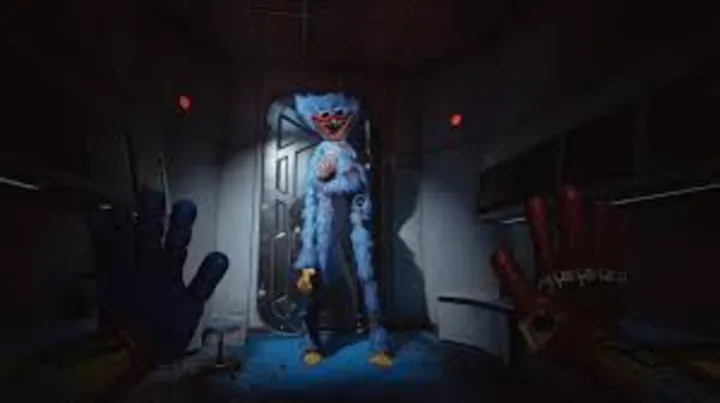
Enhanced Puzzle Design
The puzzles in Chapter 5 are more complex and interconnected than ever before. Players must use logic, timing, and environmental awareness to progress.
Some notable improvements include:
- Multi-step puzzles that require revisiting previous areas
- Integration of story elements into puzzle-solving
- Increased use of physics-based mechanics
New Tools and Abilities
Players gain access to upgraded versions of the GrabPack, including:
- Extended reach functionality
- Energy-based interactions
- Dual-action capabilities
These upgrades allow for more dynamic gameplay and creative problem-solving.
New Characters and Antagonists
Introduction of New Threats
Chapter 5 introduces several new antagonists, each with unique behaviors and mechanics. These characters are not just obstacles—they are deeply tied to the story.
Some enemies rely on stealth mechanics, while others create high-intensity chase sequences. This variety keeps gameplay fresh and unpredictable.
Character Development
Unlike earlier chapters, where characters were mostly symbolic, Chapter 5 provides more backstory and emotional depth. Players begin to understand the motivations behind the creatures, making encounters more impactful.
Visual Design and Atmosphere
Environmental Detail
The visual design in Chapter 5 is a significant upgrade. The environments are more detailed, with dynamic lighting and realistic textures that enhance immersion.
Areas include:
- Abandoned laboratories
- Underground tunnels
- Hidden control rooms
Each location tells a story through its design.
Sound and Music
The audio design plays a crucial role in building tension. Subtle background noises, distant echoes, and sudden audio cues create a constant sense of unease.
Horror Elements and Psychological Impact
Fear Beyond Jump Scares
While jump scares are still present, Chapter 5 focuses more on psychological horror. The fear comes from:
- Anticipation
- Isolation
- Uncertainty
Players often feel watched, even when nothing is visible.
Emotional Engagement
The game encourages players to empathize with its characters, blurring the line between victim and monster. This emotional complexity adds depth to the horror experience.
Exploration and World-Building
Expanding the Lore
Chapter 5 significantly expands the lore of the Poppy Playtime universe. Hidden notes, audio logs, and environmental clues provide insight into:
- The origins of Playtime Co.
- The fate of employees
- The true nature of the experiments
Non-Linear Exploration
Players have more freedom to explore different paths, uncovering secrets at their own pace. This non-linear approach enhances replayability.
Difficulty Level and Player Experience
Balanced Challenge
The difficulty in Chapter 5 strikes a balance between accessibility and challenge. Puzzles are demanding but fair, and enemies require strategic thinking to overcome.
Accessibility Features
The game includes options for different player skill levels, such as:
- Adjustable difficulty settings
- Visual and audio aids
- Save checkpoints
These features make the game more inclusive.
Overall Rating and Verdict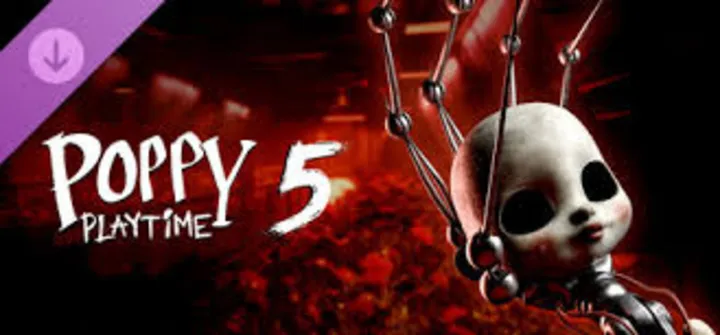
Final Rating
9/10 – Exceptional Horror Experience
Why It Stands Out
Chapter 5 successfully combines narrative depth, gameplay innovation, and atmospheric horror into a cohesive experience. It pushes the boundaries of what indie horror games can achieve.
Who Should Play It
- Fans of psychological horror
- Players who enjoy puzzle-solving
- Those invested in the Poppy Playtime storyline
Future of the Franchise
What Comes Next?
While Chapter 5 answers many questions, it also opens the door for future developments. The ending hints at possible expansions or even a new direction for the series.
Community Expectations
The fan community continues to grow, and expectations are higher than ever. Developers will need to maintain this level of quality to keep players engaged.
Tips for Playing Chapter 5
Beginner Tips
- Take your time exploring each area
- Pay attention to audio cues
- Keep track of puzzle elements
Advanced Strategies
- Use upgraded tools creatively
- Learn enemy patterns
- Revisit areas for hidden secrets
Conclusion
Poppy Playtime Chapter 5 represents a significant milestone in the evolution of the series. It is darker, more complex, and more emotionally engaging than any previous installment. By refining gameplay mechanics, expanding the narrative, and delivering a deeply immersive atmosphere, it sets a new standard for indie horror games.
While it is not without its flaws, the overall experience is undeniably powerful. Chapter 5 does not just continue the story—it elevates it, offering players a haunting journey that lingers long after the game is over.